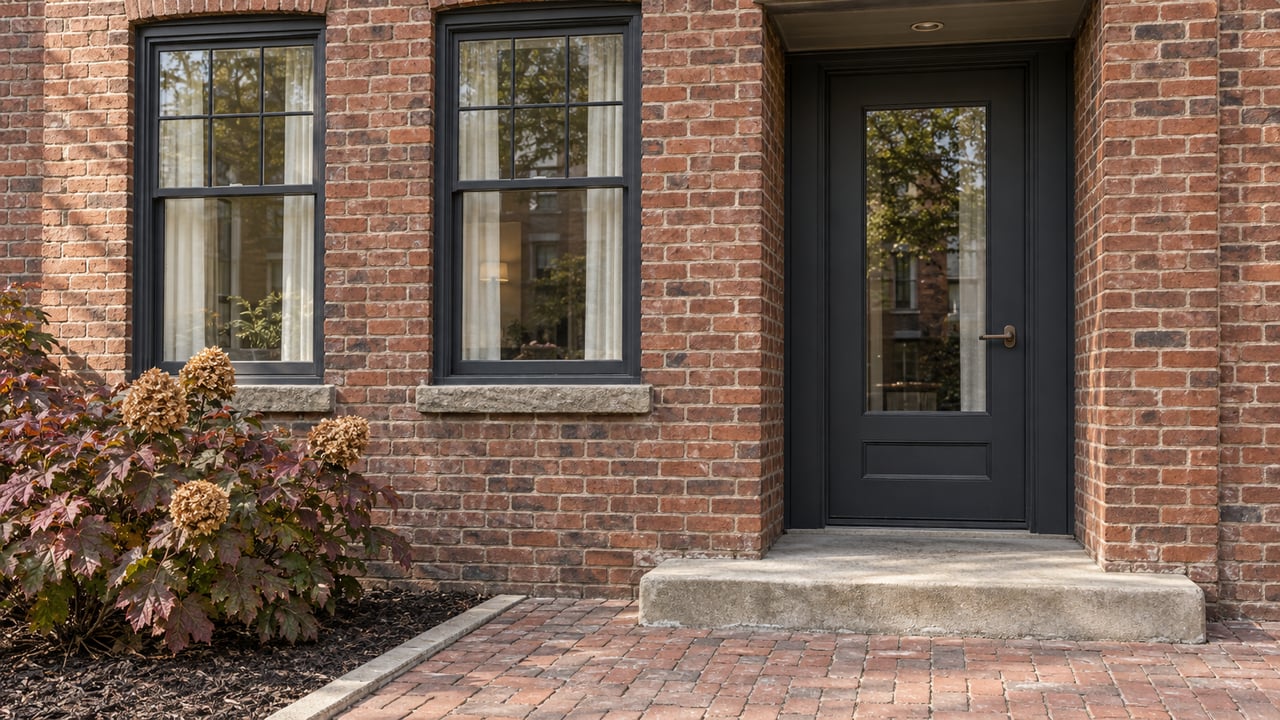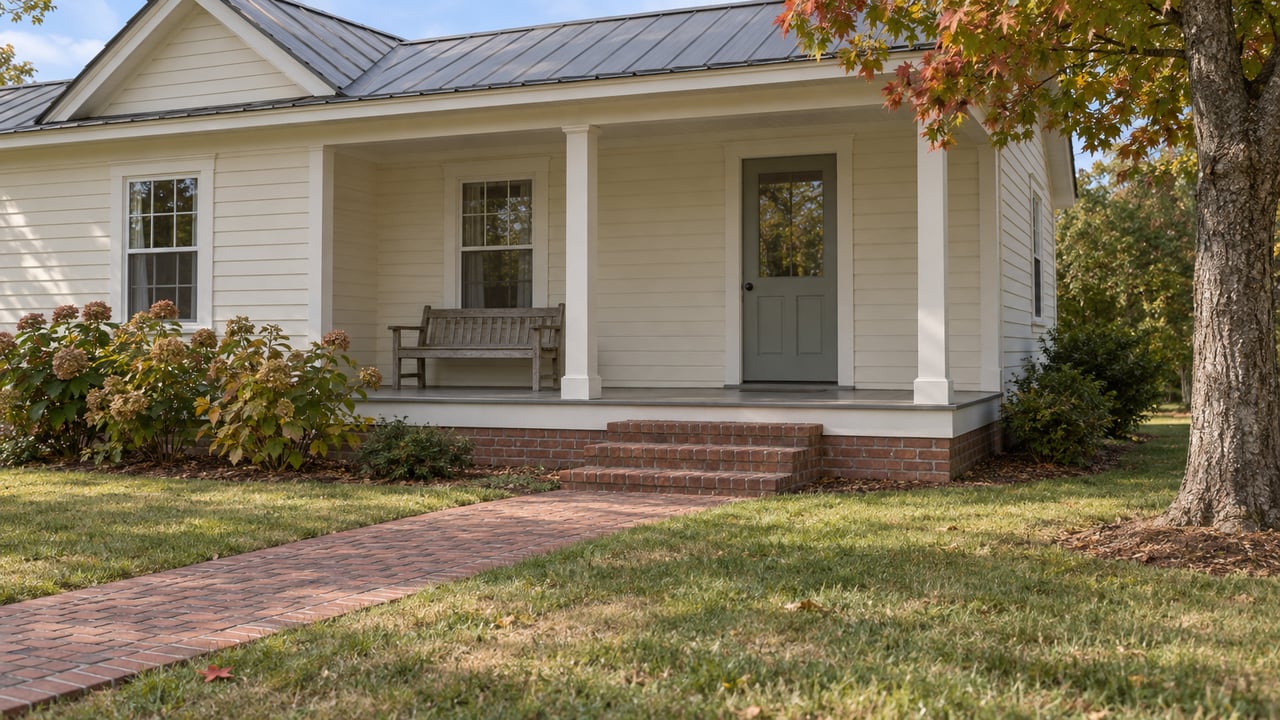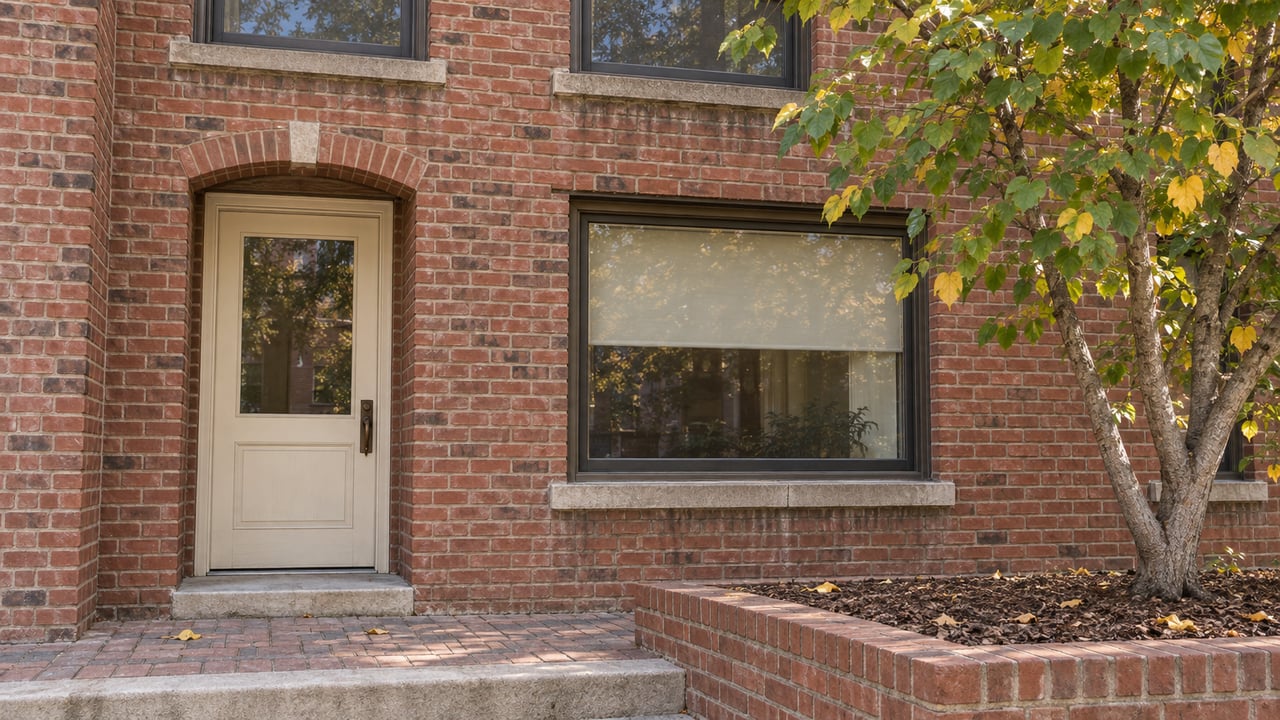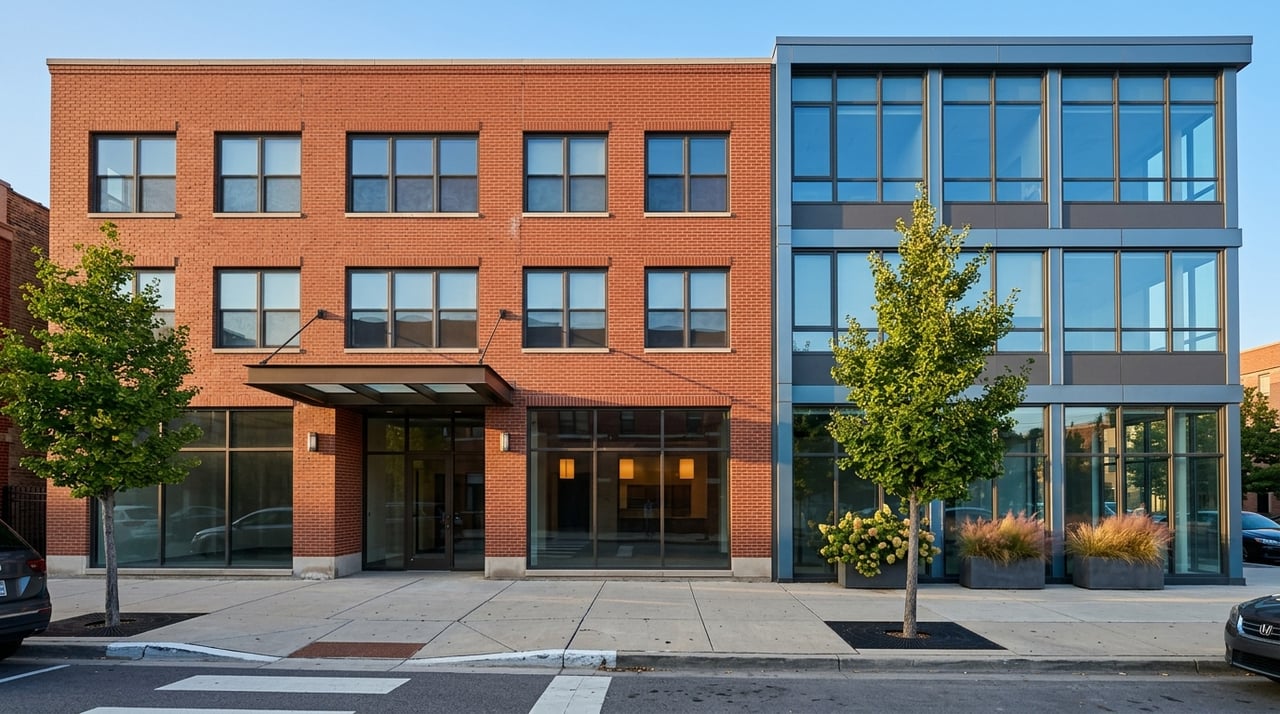
Choosing between Downtown Durham and Ninth Street is not just about where you want to live. It is about how you want your days to feel. If you are deciding between a true urban core and a neighborhood main street with Duke energy nearby, this guide will help you compare the vibe, homes, and lifestyle of both areas so you can narrow in on the right fit. Let’s dive in.
Downtown Durham at a Glance
Downtown Durham is Durham’s central urban hub. According to Discover Durham, it covers about one square mile and includes six distinct districts. Many former tobacco warehouses and industrial buildings have been reimagined into restaurants, offices, and entertainment venues, which gives the area a clear mix of history and modern city living.
It also stands out as Durham’s biggest mixed-use residential district. Downtown Durham, Inc. reports more than 1,700 residential units in the area, with hundreds more under construction. If you want to live close to dining, events, and daily conveniences, downtown offers one of the most concentrated options in the city.
Ninth Street at a Glance
Ninth Street feels different right away. Instead of a dense city center, it reads more like a neighborhood corridor with a strong local identity. The district runs from Main Street to Knox Street and includes both Ninth and Broad, creating a walkable commercial strip with surrounding residential streets.
The City of Durham describes the area as a former mill-village district with historic storefronts and nearby residential fabric that still includes mill houses and early-20th-century homes. Discover Durham also notes the area’s college-town vibe and its location just west of downtown. If you want a lower-rise setting that still feels lively, Ninth Street often lands on the shortlist.
Vibe: Urban Core vs Neighborhood Main Street
Downtown Durham Vibe
Downtown Durham has the more energetic, event-driven feel of the two. You are in the middle of a larger mix of restaurants, arts venues, sports, music, and nightlife. The area is active on foot, and the built environment reflects that, with reused warehouses, apartment buildings, condos, and commercial spaces all layered together.
There is also a stronger sense of city-scale variety. Downtown Durham, Inc. highlights destinations like DPAC, the Carolina Theatre, Durham Bulls Athletic Park, the Durham Arts Council, the Museum of Durham History, and Golden Belt Artist Studios. Public art also adds to the experience, with murals, painted electrical boxes, and sculptures spread through the area.
Ninth Street Vibe
Ninth Street feels more intimate and neighborhood-scaled. You still get shops, restaurants, and cultural energy, but it is less about a packed downtown schedule and more about a walkable daily routine with local character. Historic facades and a compact commercial strip give it a familiar, lived-in feel.
Its location near Duke shapes the atmosphere as well. Discover Durham describes it as having a college-town vibe, and nearby Duke attractions like Duke Chapel, the Nasher Museum, the Rubenstein Arts Center, and Duke Arts Presents events add another layer to the area’s appeal. If downtown feels like the center of the city, Ninth Street feels like a distinct pocket with its own rhythm.
Homes: What You’re More Likely to Find
Downtown Durham Homes
Downtown housing is centered on lofts, apartments, condos, and some townhomes. Downtown Durham, Inc. describes options that include loft-style spaces with high ceilings and views, along with studio, one-, two-, and three-bedroom units. This is not the area most associated with detached-home living.
For buyers and renters who want a lock-and-leave lifestyle, that can be a plus. The housing pattern fits the district’s mixed-use identity, where residential buildings sit close to restaurants, offices, and entertainment. If your priority is urban convenience over yard space, downtown is likely the stronger match.
Ninth Street Homes
Ninth Street has a more traditional residential pattern nearby. The City of Durham’s plan notes that the area still includes mill houses used for residential purposes, and that much of the remaining residential village area allows single-family and duplex structures. The former mill has also been converted into space for living and working, which helps preserve the area’s historic feel.
That means the housing mix around Ninth Street tends to lean older, lower-rise, and more rooted in neighborhood fabric. Compared with downtown, you are more likely to picture detached homes, duplexes, and early-20th-century residences rather than a large concentration of condos and high-density apartment living.
Walkability, Transit, and Parking
Getting Around Downtown Durham
Downtown Durham supports the more car-light routine. Downtown Durham, Inc. describes the area as walkable and bikeable, and The Bull Ride free shuttle runs Thursday through Saturday evenings. If you like the idea of doing more on foot and relying less on your car for short outings, downtown has an edge.
Parking is also designed to support regular visits and city activity. Downtown sources note that city-owned downtown parking is free after 7 p.m. and on weekends. The City also confirms free weekend parking and special-event pricing, which can help if you plan to spend a lot of time in the district.
Getting Around Ninth Street
Ninth Street is also pedestrian-friendly, but the day-to-day feel is different. The district site says the area has sidewalks and crosswalks, is easy to reach by bike or bus, and includes a bike lane on Main Street that runs downtown. You can often combine walking with short drives, biking, or bus trips.
Parking is simpler and more neighborhood-oriented. The district notes free two-hour street parking and a City of Durham lot priced at $1 per hour. GoDurham routes and Duke-area transit connections also help support access, but Ninth Street tends to feel more like a hybrid routine than a fully car-light one.
Food, Arts, and Everyday Lifestyle
Downtown Durham Lifestyle
If you want the widest range of entertainment and dining nearby, downtown is hard to beat. The district offers Broadway shows, sports, arts, music, museums, and a large restaurant scene in a compact area. That makes it especially appealing if you like having options for weeknights, weekends, and visiting guests.
Downtown also offers more visual variety in the public realm. Public art and reused historic buildings give the area texture, and many of the destinations are close enough to combine into one outing. You can build a lifestyle around walking to dinner, catching a show, or spending time in different districts without traveling far.
Ninth Street Lifestyle
Ninth Street is more about local routine and neighborhood familiarity. Discover Durham highlights a mix of dining and shopping that includes established local names and independent businesses. The area feels less event-saturated than downtown, but often more personal in scale.
That balance appeals to many buyers who want activity without full urban intensity. You can enjoy restaurants, bookstores, coffee shops, and nearby Duke cultural destinations while still feeling tied to a neighborhood setting. For some people, that is the sweet spot.
Which Area May Fit You Best?
There is no one-size-fits-all winner here. The better choice depends on what kind of home and lifestyle you want, and how you want your daily routine to work.
Downtown Durham may be a better fit if you want:
- A denser urban environment
- Lofts, condos, apartments, or townhomes
- A more walkable, transit-friendly routine
- Easy access to major entertainment and event venues
- A lifestyle centered around restaurants, arts, and downtown activity
Ninth Street may be a better fit if you want:
- A neighborhood-scaled setting
- Historic character and lower-rise surroundings
- More access to single-family homes and duplex-style housing nearby
- A mix of walking, biking, transit, and short car trips
- A local commercial strip with Duke-adjacent energy
What This Means for Buyers and Sellers
If you are buying, this comparison can help you focus your search faster. Downtown Durham and Ninth Street may be close geographically, but they support very different living experiences. Narrowing your priorities early can save time and help you weigh trade-offs with more confidence.
If you are selling, understanding these differences matters too. Buyers looking at downtown often respond to convenience, proximity, and lock-and-leave living. Buyers drawn to Ninth Street may be looking for historic character, neighborhood feel, and a more traditional residential setting nearby.
That is where thoughtful guidance and strong presentation can make a real difference. Whether you are comparing neighborhoods, planning a move, or preparing a home for market, Tana Widdows can help you make a smart next step in Durham and across the Triangle.
FAQs
What is the main difference between Downtown Durham and Ninth Street?
- Downtown Durham is the city’s denser urban core with a larger concentration of apartments, condos, restaurants, and entertainment venues, while Ninth Street feels more like a neighborhood corridor with historic character and Duke-adjacent energy.
What types of homes are common in Downtown Durham?
- Downtown Durham is mostly known for lofts, apartments, condos, and some townhomes, rather than detached homes.
What types of homes are common near Ninth Street in Durham?
- The Ninth Street area is more closely associated with mill houses, early-20th-century homes, single-family homes, duplexes, and some adaptive-reuse living spaces nearby.
Is Downtown Durham more walkable than Ninth Street?
- Both areas are pedestrian-friendly, but downtown generally supports the more walk- and transit-oriented lifestyle, while Ninth Street often combines walking with biking, bus access, and short car trips.
Is parking easier in Downtown Durham or Ninth Street?
- Parking works differently in each area. Downtown offers city-owned parking that is free after 7 p.m. and on weekends, while Ninth Street includes free two-hour street parking and a City lot with hourly pricing.
Which Durham area is better for a quieter neighborhood feel?
- Ninth Street usually feels more neighborhood-scaled and lower-rise, while downtown tends to be more active and event-driven.