Want to sell your Chapel Hill home quickly without leaving money on the table? With the right prep, timing, and presentation, you can pull in strong offers and move on your timeline. In this guide, you’ll get a clear local plan for pricing, staging, marketing, and required North Carolina disclosures, plus a simple 6-week checklist to launch with confidence. Let’s dive in.
Know the Chapel Hill market
Chapel Hill’s numbers vary by data source, which is normal. Recent snapshots show a typical home value around $617,489 and a median list price near $662,500. Time to offer also ranges by method, from roughly a month and a half to several months. Since portals measure different things, your final asking price should come from a current MLS-based CMA and your agent’s judgment.
A key local note: recent sale-to-list ratios have hovered near the high 90s. That means accurate pricing matters. If you overshoot, you risk longer days on market and reductions. If you price in line with fresh comps, you invite faster, stronger interest.
Pick the right timing
Spring is traditionally the best window to list, with April and May driving strong buyer traffic nationally. That timing can boost exposure and weekend showings for Chapel Hill sellers too. This seasonal analysis supports focusing on spring if you can choose your date.
Chapel Hill also runs on a university calendar. If your home appeals to investors or renters, consider scheduling to align with UNC’s mid-August move-in and lease turnover. You can confirm dates on the UNC academic calendar.
Complete NC disclosures
North Carolina requires most sellers to provide the Residential Property and Owners’ Association Disclosure Statement. There is also a separate mineral and oil and gas rights disclosure for single-family properties with four or fewer units. You must update disclosures if a material fact changes before closing. The obligation is set out in state rules tied to Chapter 47E of N.C. law. You can review the rule language here and a plain-English summary here.
If your property is in an HOA, gather association documents early. The revised state form includes owners’ association questions, and some associations need lead time to deliver records.
Plan a pre-list inspection
A seller pre-list inspection can surface issues before buyers do. That gives you options: make repairs on your schedule, price with transparency, or offer credits. This step often reduces surprise renegotiations and keeps deals together. Schedule your inspection 2 to 6 weeks before your target list date so you have time for estimates and any needed work.
Focus first on health and safety items, active leaks, and major system defects. Keep receipts and any permits related to repairs so buyers and appraisers can see the paper trail.
Check Chapel Hill permits
If you plan updates before you list, confirm permit needs early. Chapel Hill requires permits for most construction, structural changes, and many exterior projects, including decks, additions, and pools. Zoning review is part of the process. Build in time for plan reviews, inspections, and fees. You can check requirements and timelines at the Town’s Residential Permits page.
Prioritize high-ROI updates
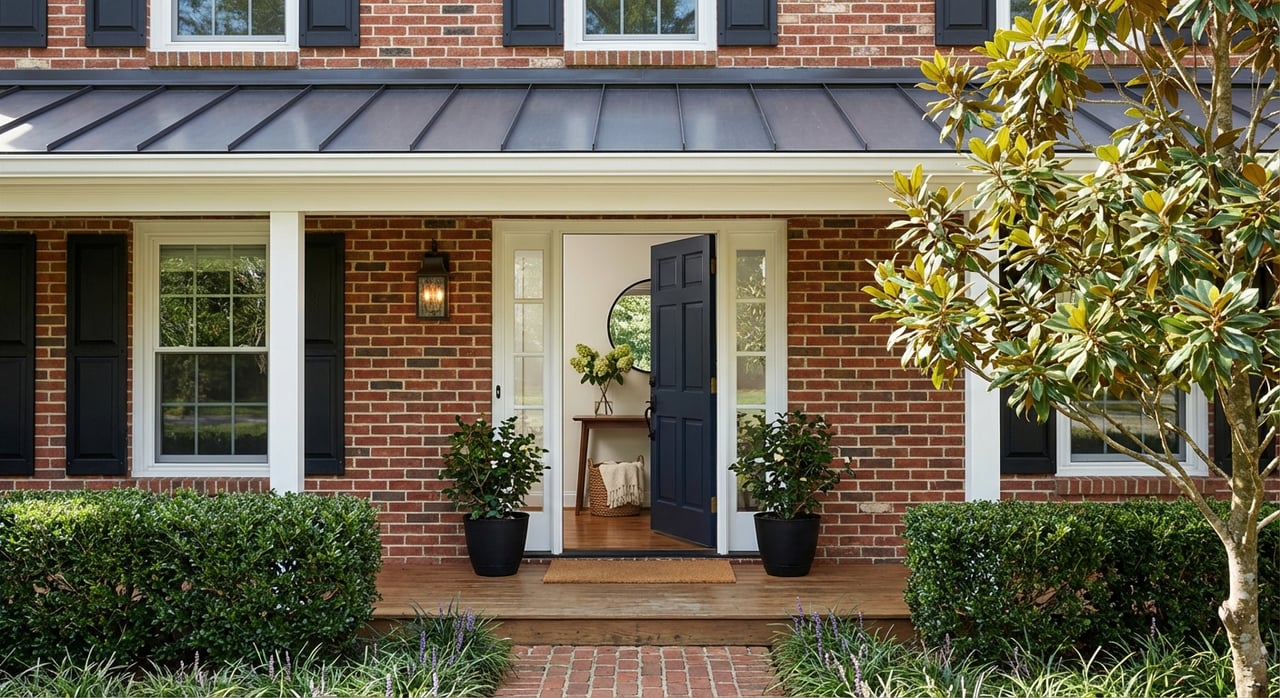
Not all projects pay you back at resale. The 2025 Cost vs Value report shows that small, targeted improvements often deliver the best return. Think minor midrange kitchen refreshes, new entry or garage doors, and simple exterior updates. Cosmetic wins like neutral paint, modern lighting, and hardware can be high impact and low disruption. Review the latest ROI figures at Cost vs Value.
Stage for speed
Staging helps buyers visualize how rooms live and often shortens time on market. Research from the National Association of REALTORS indicates that key rooms carry the most weight. Prioritize the living room, kitchen, and primary bedroom first. Declutter, depersonalize, and aim for clean, bright, and neutral.
If a full home stage is not in the cards, consider partial staging or light styling. Even simple steps like new lamps, fresh towels, and a well-edited bookshelf can lift photos and showings. Learn more about staging takeaways from NAR here.
Invest in standout visuals
Buyers start online, and photos are one of the most useful parts of a listing. Professional photography is non-negotiable if you want attention and showings. Add a 3D tour to act like a 24-7 open house that pre-qualifies interest and can speed decisions. Internal portal data has shown meaningful lifts in views and saves for listings with interactive tours.
If you use virtual staging, label it clearly and follow your MLS rules. Many MLSs require that virtually staged or edited photos be marked as such and that unaltered images are also provided. See an example of MLS policy guidance here. For buyer media preferences, review NAR’s consumer research here.
Price with precision
In a market where sale-to-list ratios sit close to parity, accurate pricing is your speed lever. Slight overpricing can stall momentum, while a well-supported price paired with strong presentation attracts more qualified traffic. Your agent will build an MLS-based CMA using the most recent solds and competing actives so you can set the ask with confidence.
Launch for weekend demand
Time your “go live” to maximize weekend showings. Many sellers list mid-week, often on Thursday, to be new and visible heading into Friday and Saturday. Make sure staging is complete before media day, and plan your photography and 3D capture so assets are fresh and ready for launch.
On day one, your listing should include:
- Professional interior and exterior photos
- A 3D or virtual walkthrough and, if available, a floor plan
- A crisp feature list and accurate room dimensions
- Clear notes on updates, system ages, and any included receipts
A six-week quick-start plan
Use this flexible checklist to go from decision to live listing in about 6 to 8 weeks.
Weeks 6 to 4 out
- Gather key documents: deed, survey, previous permits or receipts, appliance manuals, service records, HOA docs if applicable. A shared digital folder helps buyers and appraisers move faster.
- Schedule a pre-list inspection and any specialty checks as needed, such as a sewer scope for older homes or a termite inspection. Allow 1 to 2 weeks for reports and estimates.
- If you plan structural or exterior work, contact the Town’s permit center now. Build in review and inspection time. See permit guidance from the Town of Chapel Hill here.
Weeks 4 to 2 out
- Tackle priority repairs first: safety items, active leaks, roof, electrical, plumbing, and HVAC. Keep receipts and note any warranties.
- Knock out cosmetic lifts with strong ROI: neutral paint, lighting, hardware, caulk and grout refresh, front door paint, mulch, trimmed hedges, and power washing. Check expected resale returns at Cost vs Value.
- Decide on your staging plan: full, partial, or light styling. Book your stager and photographer at least 2 to 3 weeks ahead. See staging priorities from NAR here.
Week 1 to launch
- Final staging and deep clean. Hide cords, remove pet items, and clear counters and fridge fronts for photos.
- Complete your required North Carolina disclosures and gather HOA and permit documentation. Review the rule text here and the Chapter 47E summary here.
- Schedule photography, 3D tour capture, and twilight exteriors if appropriate. Confirm your agent will syndicate the 3D tour link through the MLS and major portals.
Launch week
- Go live mid-week to maximize weekend exposure. Host an early open house if it fits your plan.
- Monitor traffic and feedback in the first 72 hours. The opening days tell you whether price and presentation are aligned with buyer expectations.
After you accept an offer
- Share repair receipts, permits, and your pre-list inspection if you choose. Quick, clear responses minimize renegotiation risk.
- Track any concessions in a simple spreadsheet for easy reference during closing.
Prepare for buyer questions
Buyers will ask for details that help them compare your home to others. Get ahead of their questions to keep momentum.
- Permits for remodels or additions. Keep permits and inspection sign-offs handy. Check records and requirements with the Town’s Residential Permits page.
- Ages of major systems. Note year of roof, HVAC, water heater, and any recent service.
- HOA information. Provide covenants, fees, and any assessments. The revised state disclosure form includes owners’ association items.
- Water and drainage history. Disclose any known flooding or mitigation work and include documentation, as required by state law.
Your next move
A quick, high-confidence sale in Chapel Hill comes from three levers working together: smart timing, precise pricing, and standout presentation. When you combine accurate comps with clear disclosures, targeted updates, thoughtful staging, and professional visuals, you give buyers everything they need to move fast and bid strong.
If you want a hands-on partner to plan, stage, photograph, and market your home at a premium level, reach out to Tana Widdows. With boutique, high-touch service backed by Compass tools and Concierge, Tana builds a custom plan that shortens market time and protects your value.
FAQs
How long does it take to sell a home in Chapel Hill today?
- Timelines vary by price point and presentation, but recent snapshots show weeks to a few months, so accurate pricing and strong marketing are key to speed.
What disclosures are required when selling a North Carolina home?
- Most sellers must provide the state Residential Property and Owners’ Association Disclosure and a separate mineral and oil and gas rights disclosure, and update if conditions change.
Do I need permits for pre-sale projects in Chapel Hill?
- Many structural and exterior projects, including decks, additions, and pools, require permits and inspections, so check requirements before you start.
Does staging really help homes sell faster in Chapel Hill?
- NAR research indicates staging helps buyers visualize the space and can shorten time on market, especially when you focus on key rooms and neutral, bright styling.
Should I order a pre-list home inspection before selling?
- A pre-list inspection can reveal issues early so you can repair or price accordingly, which often reduces renegotiations and supports a smoother closing.