Thinking about selling your home in Cary this season? You’re not alone. With more buyers re-entering the market as mortgage rates ease, many Triangle homeowners are weighing a spring sale. In this guide, you’ll get a clear read on Cary’s numbers, a practical checklist to decide if you should list now or wait, and a simple plan to prep for top offers. Let’s dive in.
Cary market snapshot, spring 2026
Cary sits in a more balanced market today than the frenzied stretch of 2020–2022. Public portal snapshots for early 2026 vary by method and timing, but together they paint a consistent picture of steady demand and longer days on market than peak years.
- Prices: Across portals, Cary’s median or typical home value ranged from about $557,845 to $620,401 in January–February 2026. For example, Redfin reported a February 2026 median sale price near $580,000 with sale-to-list around 98.9 percent, while Zillow’s February 28, 2026 ZHVI put typical values near $620,401. Realtor.com’s January 2026 snapshot showed a median list price near $557,845.
- Pace: Median days on market or days-to-pending ranged from about 44 to 75 days across these sources in January–February 2026. Realtor.com characterized Cary as a balanced market in January 2026.
- Mortgage rates: After peaking in late 2024, rates have eased. According to Freddie Mac’s weekly PMMS, 30-year averages hovered near the low 6 percent range in late February and early March 2026, including about 6.11 percent the week of March 12, 2026.
What the data means for you
- Balanced does not mean slow. Well-prepared homes still command strong attention and can achieve near-list outcomes when priced to local comps.
- Spring concentrates buyers. Historical seasonality points to mid-April through May as a high-activity window. Recent coverage highlights April as the best time to list nationally based on traffic and price trends (Money.com analysis).
- Fundamentals help. Raleigh–Cary continues to add jobs and attract new residents, and the National Association of REALTORS® has flagged Raleigh as a 2026 “hot spot” as moderating rates unlock more buyers (NAR’s Housing Hot Spots 2026).
Why numbers differ across portals
Each portal uses different data feeds and timing. For pricing your home, you’ll want a true 30–90 day MLS comp set for your subdivision and price band. Use public numbers to understand the broad picture, then verify with a current MLS snapshot before you set your list price.
Should you sell this season? A quick test
Say yes to a spring listing if most of these statements fit:
- Your home will be market-ready within 6–10 weeks with minor repairs, clean landscaping, and professional photos and video.
- Recent neighborhood comps show sale-to-list ratios around 98 to 101 percent and days on market under 45–60 days.
- Your buyer pool benefits from rates near 6 percent, which restores purchasing power for first-time and move-up buyers (Freddie Mac PMMS).
- Your price band does not face heavy competition from nearby new-home communities. New construction is active across the metro, and permit data shows strong 2025 activity, but impact varies by location and product type (Raleigh–Cary permits via FRED).
When waiting could net you more
Consider a short delay if any of these apply:
- Your immediate comp set is softening. If months of supply rises, price cuts become common, or sale-to-list slips under about 97–98 percent, consider improving the home and re-evaluating next month.
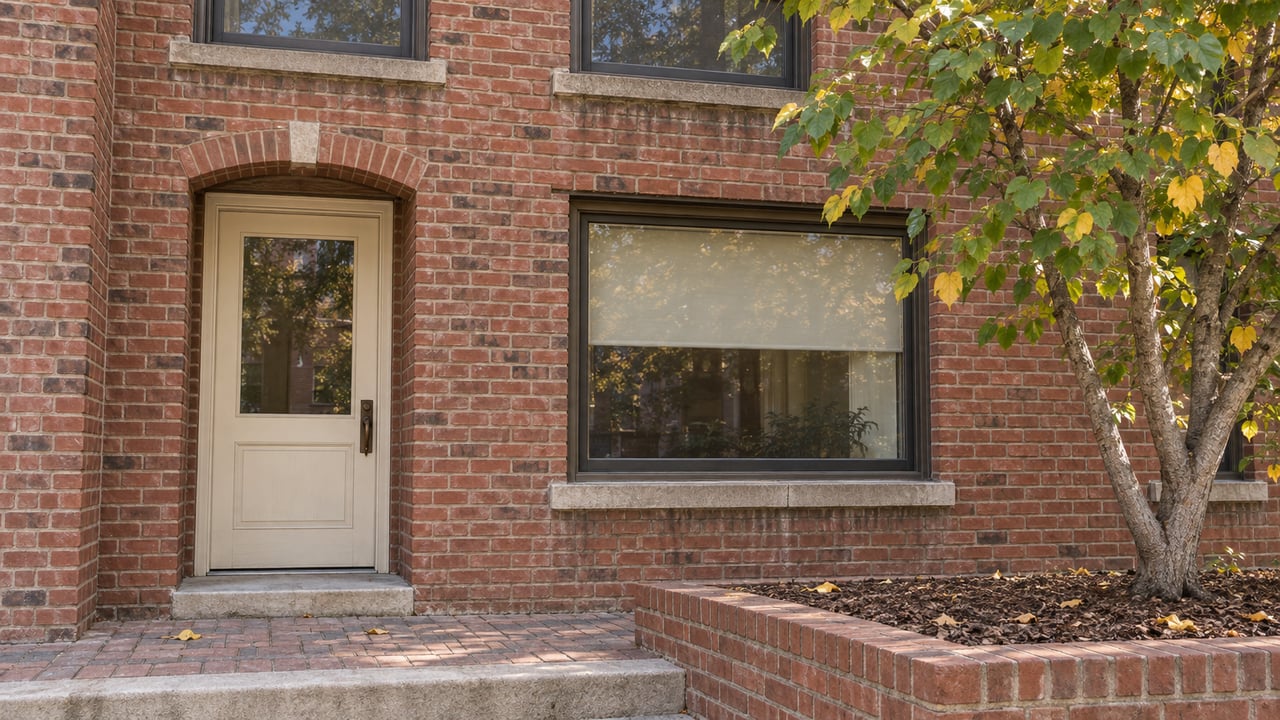
- You need targeted updates to compete. Smaller, high-ROI projects often punch above their cost. Industry reporting shows curb appeal items like entry doors, garage doors, and simple landscaping frequently deliver strong payback (Zonda’s Cost vs. Value coverage).
- You’re not on a deadline and want to watch rates. If you can track a steady downtrend in rates and stable local supply over the next 2–6 months, waiting could expand your buyer pool. Just remember that timing the market is never guaranteed (Freddie Mac PMMS).
What to watch weekly in Cary
Keep these three indicators on a simple dashboard for your neighborhood and price band:
- Months of supply: Under roughly 4 months tends to tilt toward sellers. Four to six months is more balanced. Above 6 can favor buyers. Treat these as general thresholds and validate with a Triangle MLS snapshot.
- Sale-to-list ratio: Approaching or above 99 percent suggests stronger pricing power. Below 98 percent, plan for negotiation room and sharpen presentation.
- Days on market trend: Falling DOM signals rising urgency from buyers. Rising DOM suggests softening or overpricing.
Your 6 to 10-week listing plan
Use this quick-start plan if you aim for the April–May window highlighted in national seasonality studies (Money.com analysis):
Weeks 10–8: Strategy and scope
- Align on pricing bands based on a fresh 30–60 day MLS comp set for your subdivision. Identify any high-ROI repairs.
- Book key vendors early: handyman, painter, landscaper, cleaners, photographer, videographer, and stager.
Weeks 8–6: Repairs and refresh
- Knock out punch-list items. Prioritize exterior touch-ups, grout and caulk, lighting swaps, and minor carpentry.
- If your home is older or you want to build buyer confidence, consider a pre-listing inspection to reduce surprises and renegotiations (benefits of pre-listing inspections).
Weeks 6–4: Staging and visuals
- Stage for the target buyer profile and price point. Plan for professional photography, video, and a 3D walkthrough to maximize online engagement.
- Build your marketing story with neutral, factual highlights. In Cary, that can include proximity to RTP employment centers, specific school zones, transit corridors, parks and greenways, and downtown investments noted in the Town’s 2026 update (State of Cary).
Weeks 3–1: Final prep and pricing lock
- Deep clean, declutter, and handle last-mile landscaping.
- Fine-tune price to current actives and pendings in your micro-area. Plan for a strong first two weeks on market with tight showing windows and polished materials.
Pricing and offer strategy
- Price to the comp set you will compete against, not just past sales. Today’s buyers shop by comparison within your school zone, commute arc, and amenity set.
- Launch with intention. The first 7–14 days typically bring your highest-quality traffic. A realistic initial price paired with strong visuals encourages clean offers and fewer renegotiations.
- Understand buyer math. At current levels, small shifts in mortgage rates can meaningfully change monthly payments, especially for first-time buyers. Link your pricing and concession strategy to live rate trends using Freddie Mac’s PMMS.
New construction and your price band
The Raleigh–Cary metro issued elevated building permits through 2025, with monthly totals such as 1,490 units in December 2025 (FRED permits series). How that affects you depends on location and home type:
- If nearby builders are delivering at your price point with incentives, expect more negotiation and make sure your home beats them on condition, convenience, and time to close.
- If your segment has limited new construction, your well-prepared resale can stand out and capture strong terms.
Net proceeds checklist
Use this simple worksheet before you list:
- Target list price based on 30–60 day comps in your subdivision.
- Expected sale-to-list ratio in your price band.
- Likely time on market based on DOM trend.
- Estimated repairs, staging, and prep costs.
- Potential concessions or buyer credits based on current norms.
- Carry costs for your expected timeline.
- Estimated net after fees and payoff.
How Tana supports your sale
You deserve a partner who pairs market intelligence with standout presentation. With boutique, relationship-led service backed by Compass, Tana provides:
- Strategic pricing and neighborhood-specific market analysis across Cary and the Triangle.
- Hands-on listing prep and vendor coordination, including staging.
- Professional photography, video, and 3D walkthroughs to maximize online reach and in-person showings.
- Access to Compass Concierge for approved improvements that can help your home show its best.
- Clear, data-informed negotiation designed to protect your value.
Ready to decide whether to list now or wait a beat? Let’s talk through your neighborhood comps, buyer demand in your price band, and a prep plan that fits your goals. Connect with Tana Widdows to get a personalized, data-backed path to your best outcome.
FAQs
Is spring 2026 the best time to sell in Cary?
- Spring often concentrates buyer activity, and national analysis highlights mid-April as a prime listing window; use that context plus your neighborhood’s current comps to decide (Money.com analysis).
What are Cary’s current home prices and days on market?
- Early 2026 portal data showed medians ranging from about $557,845 to $620,401 with days on market or days-to-pending around 44 to 75 days, depending on the source and date.
How do mortgage rates affect my sale right now?
- With 30-year averages near the low 6 percent range in early March 2026, more buyers can qualify, which can support demand in balanced markets (Freddie Mac PMMS).
Should I renovate before I sell my Cary home?
- Focus on cost-effective, high-ROI items such as curb appeal upgrades and minor kitchen or bath refreshes, and avoid over-improving beyond neighborhood norms (Cost vs. Value reporting).
How will new construction near me impact my resale?
- New-home deliveries raise competition mainly in certain neighborhoods and price bands; check nearby builder activity and incentives as well as metro permit trends to gauge pressure (Raleigh–Cary permits via FRED).
Are more buyers moving to the Raleigh–Cary area in 2026?
- Yes, regional job growth and in-migration continue to support demand, and NAR has identified Raleigh as a 2026 opportunity market as rates moderate (NAR Housing Hot Spots 2026).