Should You Stage Your Home Before Selling? The Data Says Yes.
When preparing to sell a home, one of the biggest questions sellers ask is:
“Do I really need to stage my home?”
Some homeowners worry staging will be expensive or unnecessary. But the data from the National Association of Realtors and the Real Estate Staging Association consistently shows that staging helps homes sell faster and for more money.
In today’s competitive real estate market — especially in places like Chapel Hill, Cary, Raleigh, and Durham — presentation matters more than ever.
Let’s look at the numbers.
How Much More Do Staged Homes Sell For?
According to the National Association of Realtors (NAR) Profile of Home Staging, staging can have a measurable impact on the price buyers are willing to pay.
• 29% of real estate agents report staging increases offers by 1%–10%.
• About 20% of agents say staging increases offers by 1%–5% compared to similar homes that are not staged.
• Some studies show staged homes can sell up to 15% more than unstaged homes.
To put that into perspective:
If your home sells for $900,000, even a 3% price increase from staging could mean an extra $27,000.
That’s a huge return for a relatively small investment.
Do Staged Homes Sell Faster?
Yes — and often much faster.
Research consistently shows staging significantly reduces time on market.
• Staged homes sell 73% faster than non-staged homes.
• Nearly half of listing agents report staging reduces time on market.
• Some reports show staged homes selling 3 to 30 times faster than homes that are not staged.
In a shifting market where buyers are becoming more selective, staging can mean the difference between:
• multiple offers in the first week
• or sitting on the market for months
The ROI of Staging
One of the biggest myths about staging is that it is expensive.
In reality, staging often delivers one of the highest returns on investment when selling a home.
Data from the Real Estate Staging Association (RESA) shows:
• Sellers typically invest around 1% of the home’s value in staging.
• 75% of sellers see a return of 5%–15% over asking price.
• The average return on staging investment is about 8–10% ROI.
In many cases, staging costs less than the first price reduction sellers make when a home sits too long on the market.
Why Staging Works: The Psychology of Buyers
Staging works because buying a home is emotional.
Buyers don’t just purchase square footage — they purchase a lifestyle.
Studies show:
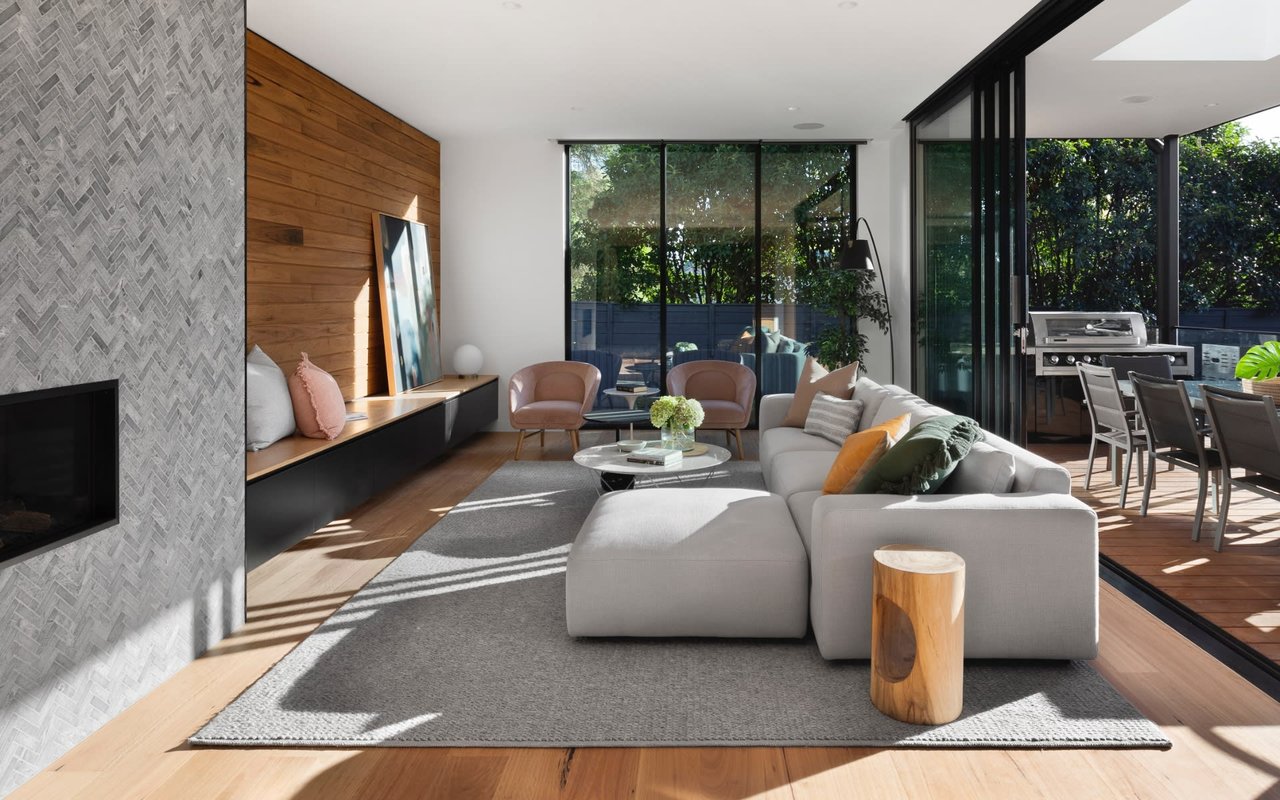
• 83% of buyers’ agents say staging makes it easier for buyers to visualize themselves living in the home.
• One in three buyers is more likely to schedule a showing after seeing staged photos online.
• Living rooms, primary bedrooms, and kitchens are the most important rooms to stage.
Staging helps buyers emotionally connect with a home — and emotional buyers write stronger offers.
The “Time in the Home” Effect
There’s also an interesting behavioral difference between staged and unstaged homes.
Real estate professionals frequently observe that:
• Buyers often spend just a few minutes walking through an empty or poorly presented home
• Buyers may spend 30–40 minutes in a beautifully staged home
Why?
Because staging creates spaces buyers can imagine living in.
Instead of seeing:
“an empty room”
Buyers see:
“a dining room where family dinners happen”
That emotional connection is powerful.
The Online First Impression
Today, over 95% of buyers begin their search online before ever scheduling a showing.
Your home’s photos must compete with hundreds of other listings.
Staging dramatically improves:
• listing photos
• social media marketing
• buyer click-through rates
• showing requests
In fact, 41% of buyers are more likely to tour a home after viewing staged photos online.
In many ways, staging is no longer optional — it’s part of modern real estate marketing.
When Staging Matters the Most
Staging is especially powerful for:
• vacant homes
• luxury homes
• homes with unusual layouts
• homes with dated furniture
• relocation listings
• homes competing with new construction
In competitive markets like Chapel Hill, Cary, Raleigh, and Durham, staging can help a listing stand out and attract stronger offers quickly.
The Bottom Line
When selling your home, staging is not about decorating.
It’s about strategic marketing.
The data shows staged homes:
✔ Sell faster
✔ Sell for more money
✔ Attract more buyers
✔ Create stronger emotional connections
And in many cases, staging costs far less than the price reductions sellers make when a home sits on the market too long.
✨ Thinking about selling your home in Chapel Hill or the Triangle?
A professional staging plan can be one of the most powerful tools to maximize your home’s value.
If you’d like advice on how to prepare your home for the market, I’d be happy to help you create a strategy.
Warmly,
Tana Widdows