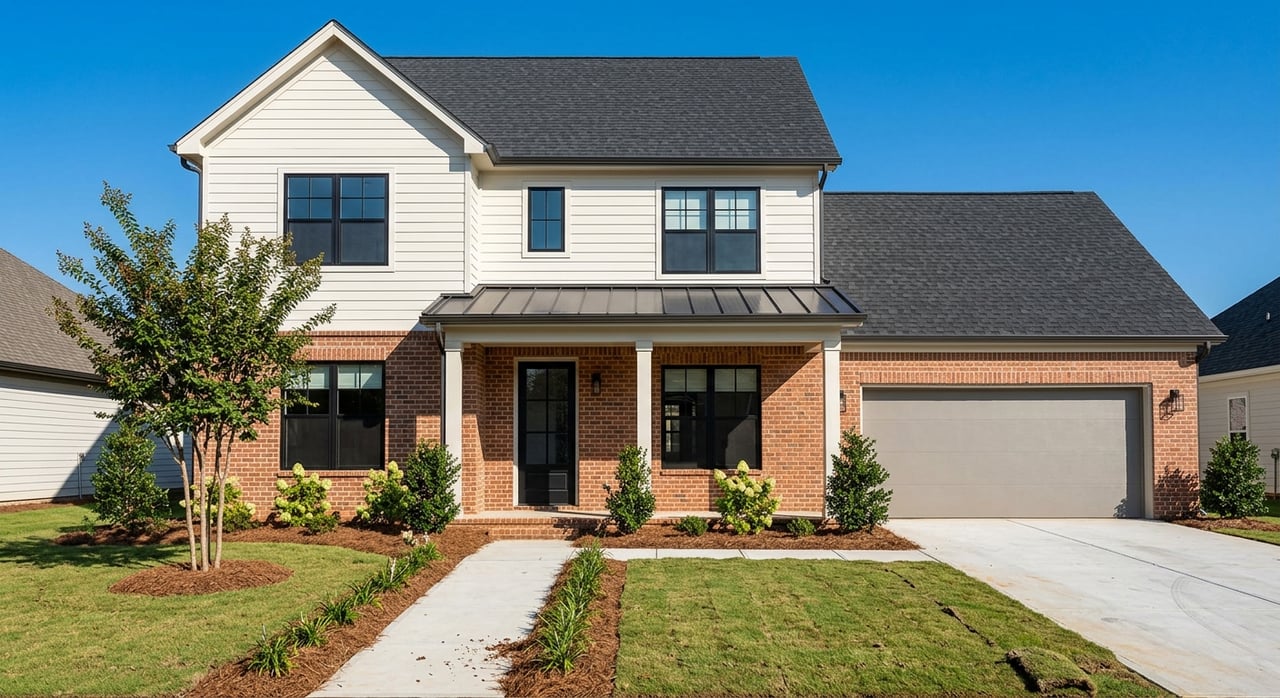
If you are thinking about buying new construction in Holly Springs, you are not alone. This fast-growing Wake County town has drawn steady interest from buyers who want a newer home with modern layouts, energy-efficient features, and access to the broader Triangle job market. The process can feel exciting, but it also comes with contract details, upgrade decisions, and deadlines that work differently than a resale purchase. This guide will help you understand what to watch for so you can move forward with more clarity and confidence. Let’s dive in.
Why Holly Springs draws new-construction buyers
Holly Springs has grown quickly in recent years, and that growth helps explain why new communities continue to come online. The town’s June 2025 ACFR reports 51,947 residents in 2024, up from 41,502 in 2020, with projections reaching 64,160 by 2030. You can see those figures in the Town of Holly Springs annual report.
That local growth is part of a bigger regional story. Wake County QuickFacts estimates the county’s population at 1,257,235 as of July 1, 2025, and notes 15,248 building permits in 2024. The same source lists a median owner-occupied home value of $461,300 and median gross rent of $1,623, which helps show how much pressure exists across the housing market.
Holly Springs also benefits from its location within the Triangle. According to the town’s transportation overview, Raleigh, Research Triangle Park, and RDU are roughly 20 to 30 minutes away by car, and about 1 million people live within 20 miles. For many buyers, that makes Holly Springs feel connected rather than isolated.
How new construction differs from resale
One of the biggest surprises for buyers is that new construction does not always follow the same path as a resale home. With a typical resale purchase in North Carolina, the contract often uses a due diligence framework that gives you time to investigate the property, financing, title, and condition before closing. The NC Real Estate Commission explains that this period commonly covers inspections, appraisal, survey, title search, and loan qualification.
New construction often uses a different contract package. According to NC REALTORS guidance, Form 800-T is commonly used when a builder owns the land, constructs the home, and then conveys it to the buyer. If construction is already complete or nearly complete, a different form may apply.
That difference matters because the negotiation is not just about the house you see today. In many cases, it is also about plans, specifications, allowances, timelines, deposits, and warranty language. Small details that might feel routine at a sales office can carry real legal and financial weight.
Why contract timelines matter
With new construction, deadlines can be especially important. NC REALTORS’ marked guidance on Form 800 notes that the contract can include a pre-construction evaluation period, deadlines tied to a building permit, and several provisions where time is of the essence.
In practical terms, that means you should pay close attention to every date and every requirement. If something changes, it should be documented properly. NC REALTORS also warns that each change or addendum should be initialed and dated by both parties, since small wording changes can turn into larger disputes later.
This is one reason buyers benefit from having strong representation from the start. You want someone helping you track deadlines, review documents, and keep the transaction organized before minor issues become expensive ones.
Put every upgrade in writing
Upgrades are one of the most exciting parts of buying a new home, but they can also create confusion if they are not documented clearly. Flooring choices, appliance packages, lot premiums, design-center selections, and structural options can affect both price and expectations.
According to NC REALTORS’ new-construction form guidance, a building deposit may be used for improvements to be constructed by the seller, and those improvements should be described in the contract. Installment schedules should also be written down.
That is why it is smart to treat option sheets and change orders as contract items, not casual side notes. If you are paying for something, ask where it appears in writing, what the cost is, when payment is due, and whether it affects completion timing.
Yes, you still need inspections
A brand-new home can still have defects, missed items, or incomplete work. New construction may look polished during a tour, but that does not replace an independent review by a licensed professional.
The NC Real Estate Commission states that home inspections provide critical information, inspectors must be licensed, and buyers should review the full report, not just the summary. The same guidance also says buyers have the right to verify repairs and complete a final walk-through.
For you, that means inspections should still be part of the plan even when the home is newly built. The goal is not to assume something is wrong. The goal is to confirm the home’s condition, identify issues while there is still time to address them, and close with fewer surprises.
Understand builder warranties and home warranties
Warranties are another area where buyers can get tripped up. A builder warranty and a home warranty are not the same thing, and you should understand what each one covers.
North Carolina recognizes an implied warranty of habitability and workmanlike construction for recently completed dwellings and dwellings under construction sold by builder-vendors to the initial purchaser. The North Carolina Bar fact sheets outline these protections. NC REALTORS’ guidance also notes that the contract can include an express warranty of construction requiring the builder to make certain repairs and corrections.
A separate home warranty is different. The North Carolina Department of Justice explains that home warranties are optional service contracts, buyers should read exactly what is covered, and a warranty should not replace a licensed inspection.
A simple way to think about it is this:
| Warranty Type | What It Means |
|---|---|
| Builder warranty | Coverage tied to the builder’s obligations under the sale and construction terms |
| Implied legal protections | Certain protections recognized under North Carolina law for qualifying new homes |
| Home warranty | Optional service contract for certain systems or appliances, depending on the plan |
How Holly Springs growth affects your decision
When you buy new construction, you are not just buying a floor plan. You are also buying into an area that is changing over time. In Holly Springs, that growth is being managed through long-range planning for land use, transportation, parks, infrastructure, and natural resources, as described in the town’s Comprehensive Plan.
Infrastructure planning is a big part of the story. The town’s water and wastewater expansion update says Holly Springs has enough water capacity today and is planning additional supply and wastewater expansions into the late 2020s and early 2030s, with more than $500 million in utility investments over the next five years.
For buyers, this helps explain why new development remains active here. It also reinforces the value of looking beyond the model home and asking how the broader area is evolving over the next several years.
Smart questions to ask before you sign
Before you move forward with a new-construction purchase in Holly Springs, it helps to slow down and ask a few key questions:
- Which contract form is being used, and how does it differ from a standard resale contract?
- What deadlines apply to deposits, selections, financing, and closing?
- Which features are included in the base price, and which are upgrades?
- Are lot premiums, design selections, and structural options listed in writing?
- What inspection opportunities will you have before closing?
- What builder warranty is included, and where is it spelled out?
- What happens if timelines shift or materials change?
These questions can save you time, money, and frustration later. They also help you compare communities and builders more clearly.
A practical approach for buyers
Buying new construction should feel exciting, not confusing. The best approach is to stay organized, document everything, and treat the contract with the same care you would bring to any major purchase.
That means reading the fine print, keeping written records of selections and changes, using licensed inspectors, and making sure you understand how timelines and warranties work. In a fast-moving market like Holly Springs, clear guidance can make a big difference.
If you are considering a new-construction home in Holly Springs or anywhere in the Triangle, working with an experienced local advisor can help you compare options, ask better questions, and avoid preventable mistakes. If you want a thoughtful, practical partner for your move, connect with Tana Widdows.
FAQs
What makes buying new construction in Holly Springs different from buying a resale home?
- New construction often uses different contract forms and focuses more on plans, specifications, upgrades, deadlines, and warranty language than a typical resale transaction.
Do you need a home inspection for a new construction home in Holly Springs?
- Yes. The North Carolina Real Estate Commission says inspections provide critical information, and buyers should use a licensed inspector and review the full report.
Are builder upgrades in Holly Springs communities negotiable?
- Upgrade terms vary, but the key issue is that selections, costs, and payment schedules should be documented clearly in writing as part of the contract process.
What warranties apply when buying a new home in North Carolina?
- A new home may include builder warranty terms in the contract, and North Carolina also recognizes certain implied protections for qualifying newly built homes sold by builder-vendors to the initial purchaser.
Why is Holly Springs popular for new construction buyers?
- Holly Springs has seen strong population growth, active infrastructure planning, and convenient access to Raleigh, RTP, and RDU, which supports continued demand for newer homes.